
Our Services
Explore the wide range of services we provide to ensure quality cancer care at every stage.

Chemotherapy For Solid Tumors
Chemotherapy has a role in the treatment of solid tumors. The proper selection of the patient and the careful development of the chemotherapy regimen are important to obtain the maximal benefit from the drugs available.
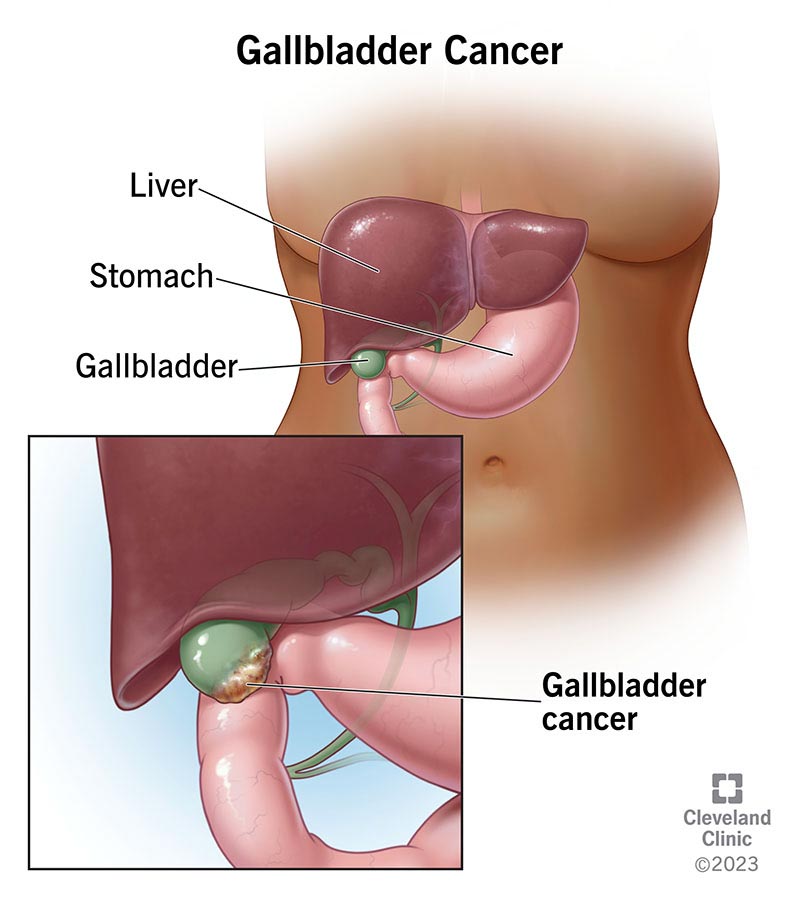
Gallbladder cancer treatment
Gallbladder cancer treatment options depend on the stage of the cancer and the patient's overall health. Surgery, chemotherapy, and radiation therapy are common treatments, often used in combination. In some cases, targeted therapy or immunotherapy may also be considered.
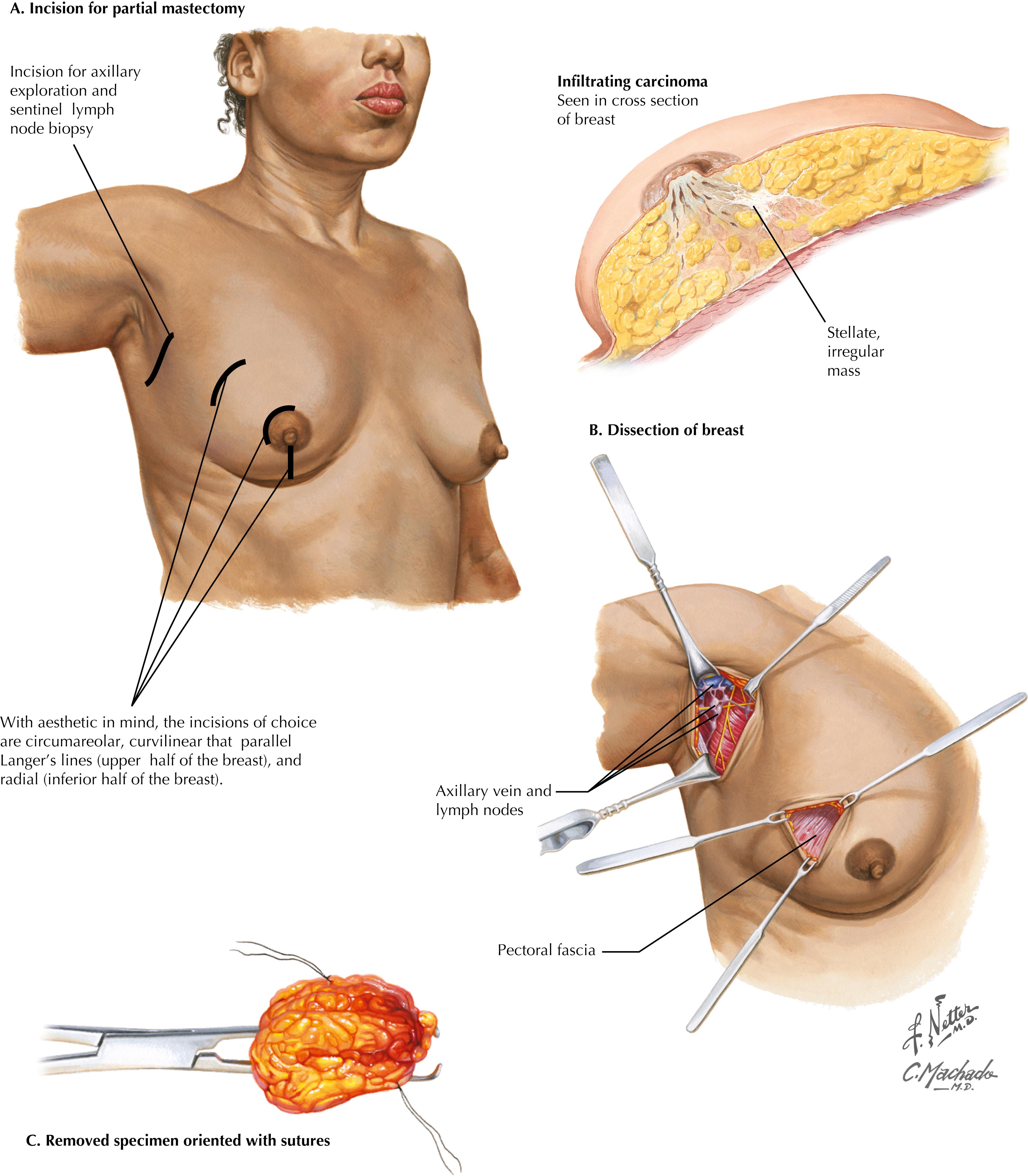
Mastectomy
A mastectomy is a surgical procedure involving the removal of breast tissue, and sometimes other nearby tissues like lymph nodes, to treat or prevent breast cancer. It's a treatment option when breast-conserving surgery isn't feasible or desired, or when there's a high risk of developing cancer.
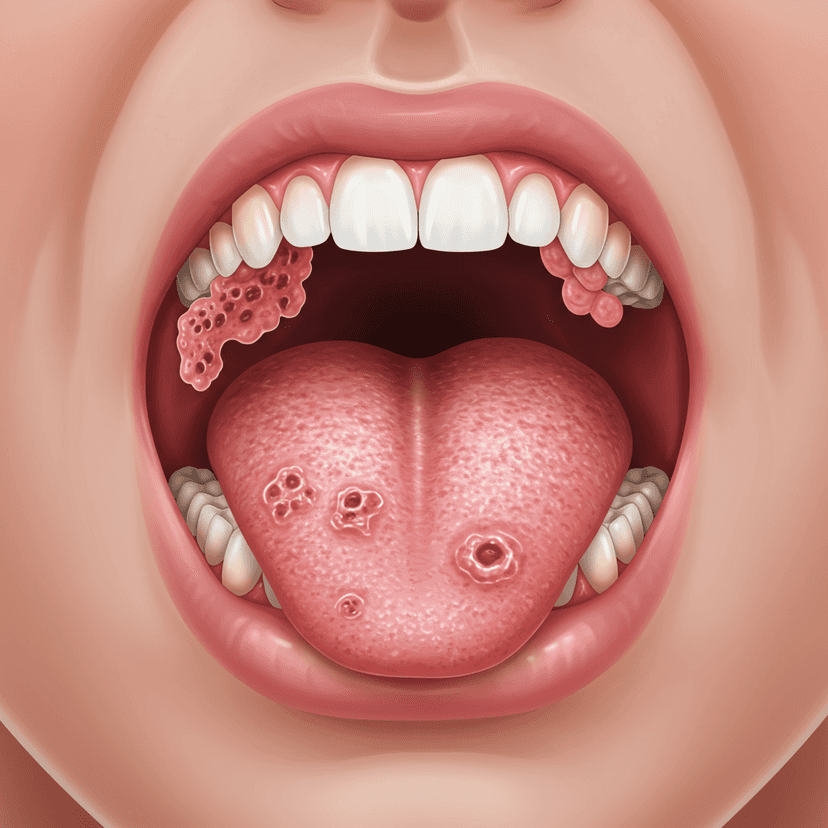
Oral Cancer Treatment
Oral cancer treatment typically involves a combination of approaches, including surgery, radiation therapy, and chemotherapy. The specific treatment plan is tailored to the individual patient based on factors like the stage and location of the cancer, as well as the patient's overall health. Other potential treatment options include targeted therapy and immunotherapy.

Lumpectomy
A lumpectomy is a surgical procedure to remove a lump, usually a tumor, from the breast. It's also known as breast-conserving surgery because it aims to remove the cancerous tissue while preserving as much of the breast as possible. The procedure involves removing the tumor along with a small margin of healthy tissue surrounding it.
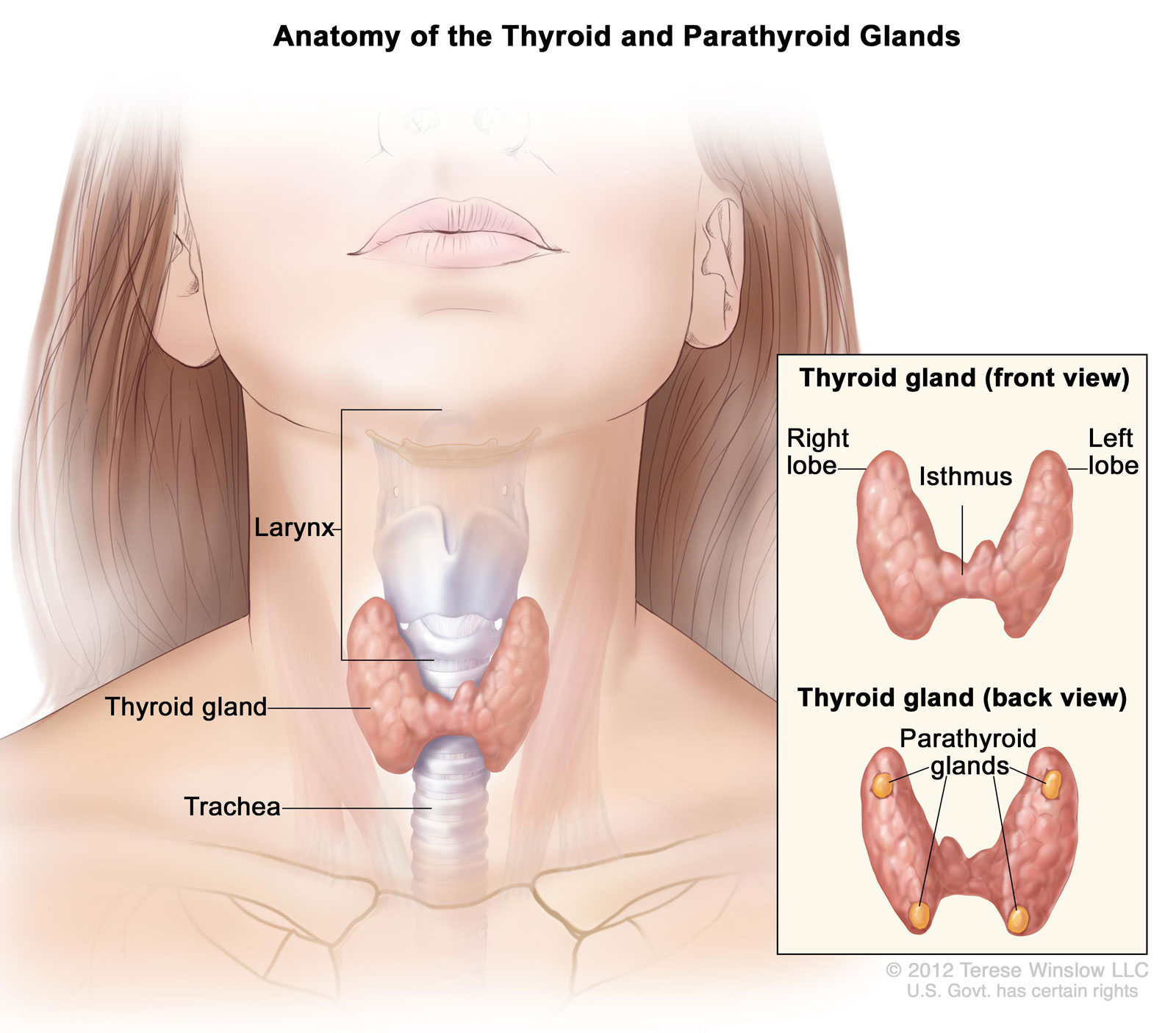
Thyroidectomy
A thyroidectomy is a surgical procedure involving the removal of all or part of the thyroid gland. It's a common treatment for conditions like thyroid cancer, benign thyroid nodules, or hyperthyroidism. The procedure can involve removing the entire gland (total thyroidectomy) or just a portion (partial thyroidectomy or lobectomy).
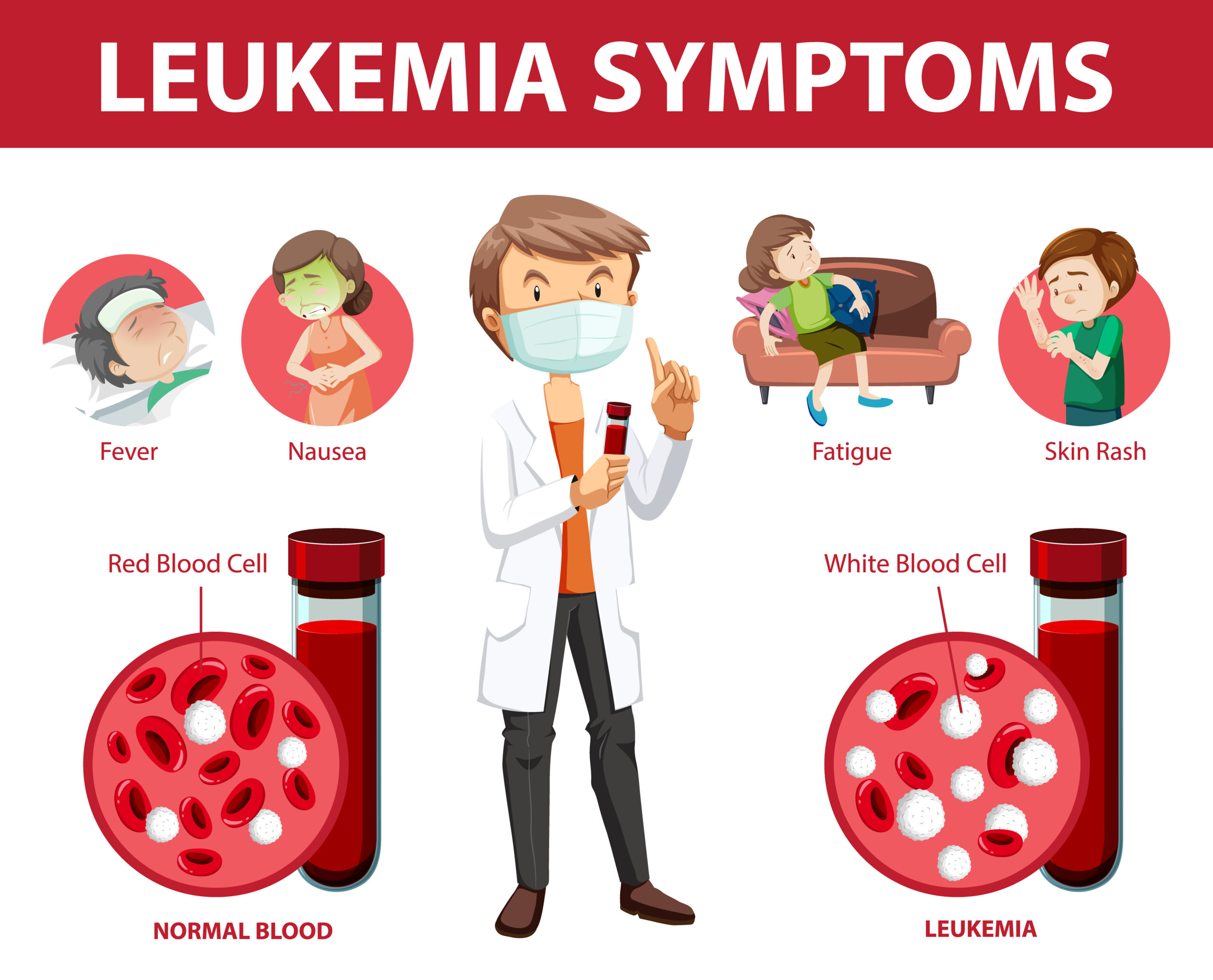
Treatment of Leukemia
Leukemia treatment involves a variety of approaches, including chemotherapy, radiation therapy, stem cell transplantation, targeted therapy, and immunotherapy. The specific treatment plan is tailored to the individual based on the type and stage of leukemia, as well as the patient's overall health.
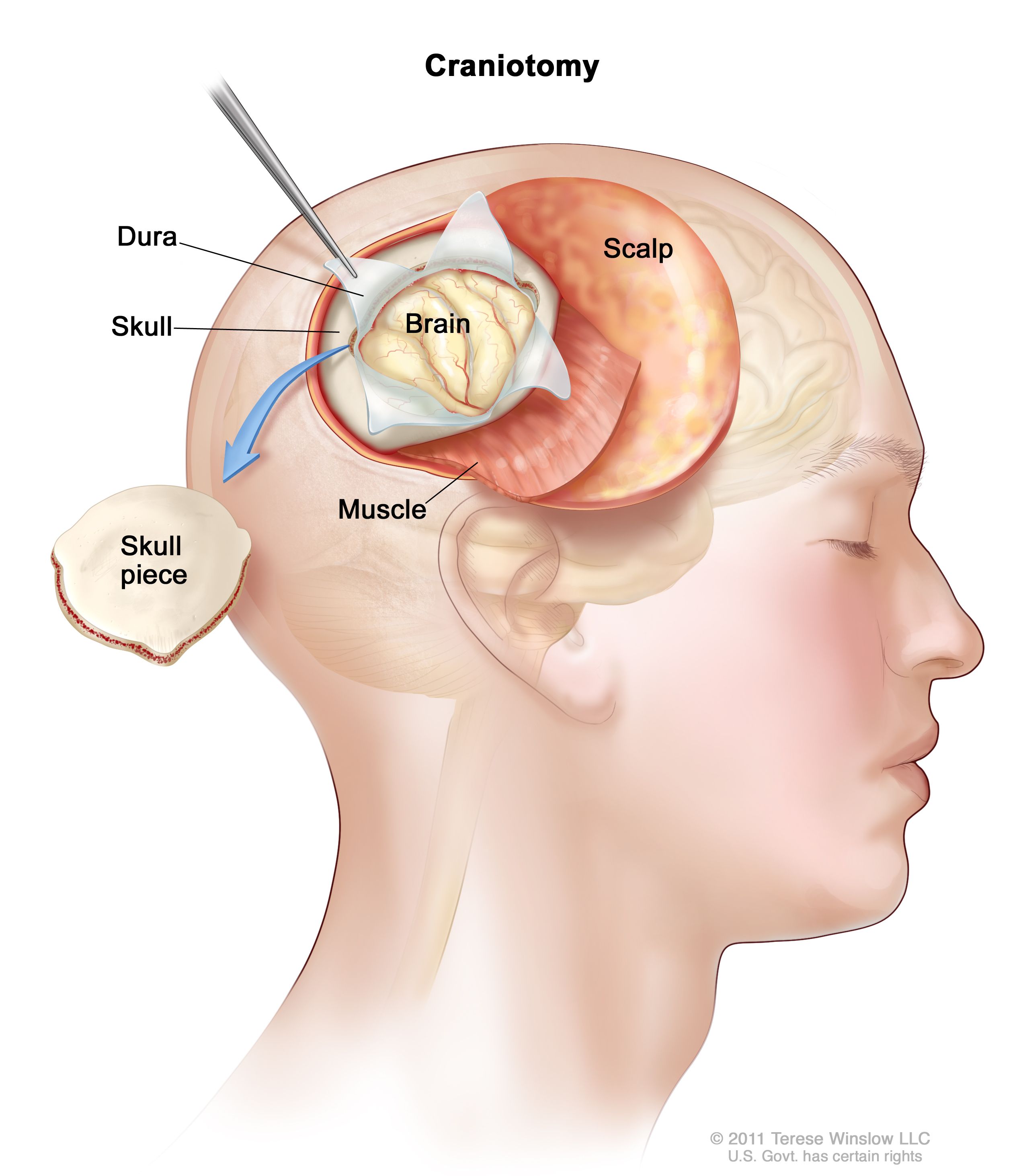
Treatment for Brain tumors
Brain tumor treatment varies based on tumor type, location, and patient factors, but commonly includes surgery, radiation therapy, chemotherapy, targeted therapy, and immunotherapy. For benign tumors, surgery might be the only treatment needed, while malignant tumors often require a combination of therapies.
Prostate Cancer
Prostate cancer is a type of cancer that develops in the prostate gland, a part of the male reproductive system. It's one of the most common cancers in men and often grows slowly, sometimes without causing noticeable symptoms. Early detection through screening can significantly improve treatment outcomes.

Head and Neck Cancer
Head and neck cancer is a general term for cancers that develop in the head and neck region, including the mouth, throat, nose, sinuses, and salivary glands. These cancers often begin in squamous cells lining the mucosal surfaces of these areas, and are then referred to as squamous cell carcinomas. Risk factors include tobacco and alcohol use, and HPV infection.
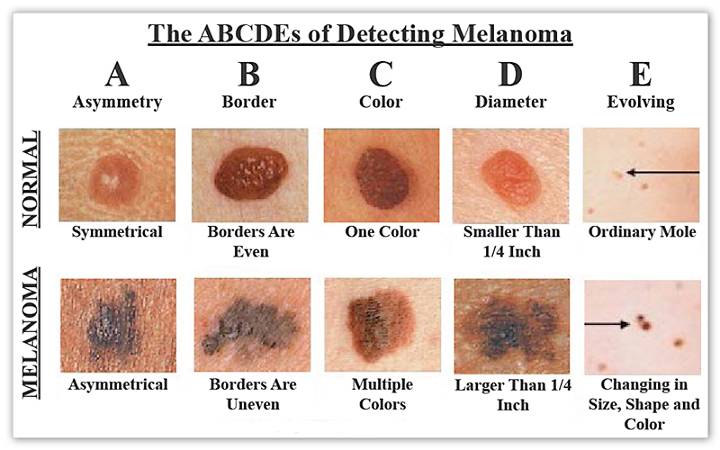
Skin cancer
Boosting the body's immune system to fight cancer naturally and effectively.
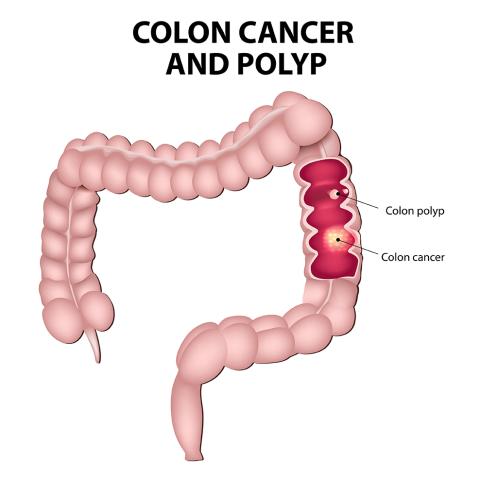
Colorectal cancer
Colorectal cancer, also known as bowel cancer, colon cancer, or rectal cancer, is a type of cancer that develops in the colon or rectum. It's characterized by the uncontrolled growth of cells in these areas, which can potentially spread to other parts of the body. Early diagnosis is crucial for better treatment outcomes and survival rates.
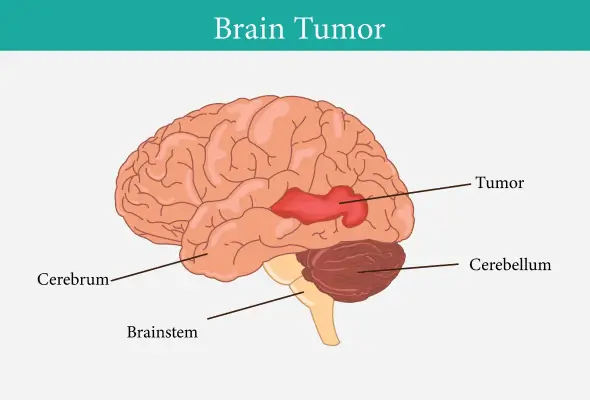
Brain and spinal cord cancers
Brain and spinal cord cancers, also known as central nervous system (CNS) tumors, are abnormal growths of cells in the brain or spinal cord. They can be either primary, originating in the CNS, or secondary (metastatic), spreading from other parts of the body. These tumors can be benign or malignant and vary greatly in their characteristics and behavior.
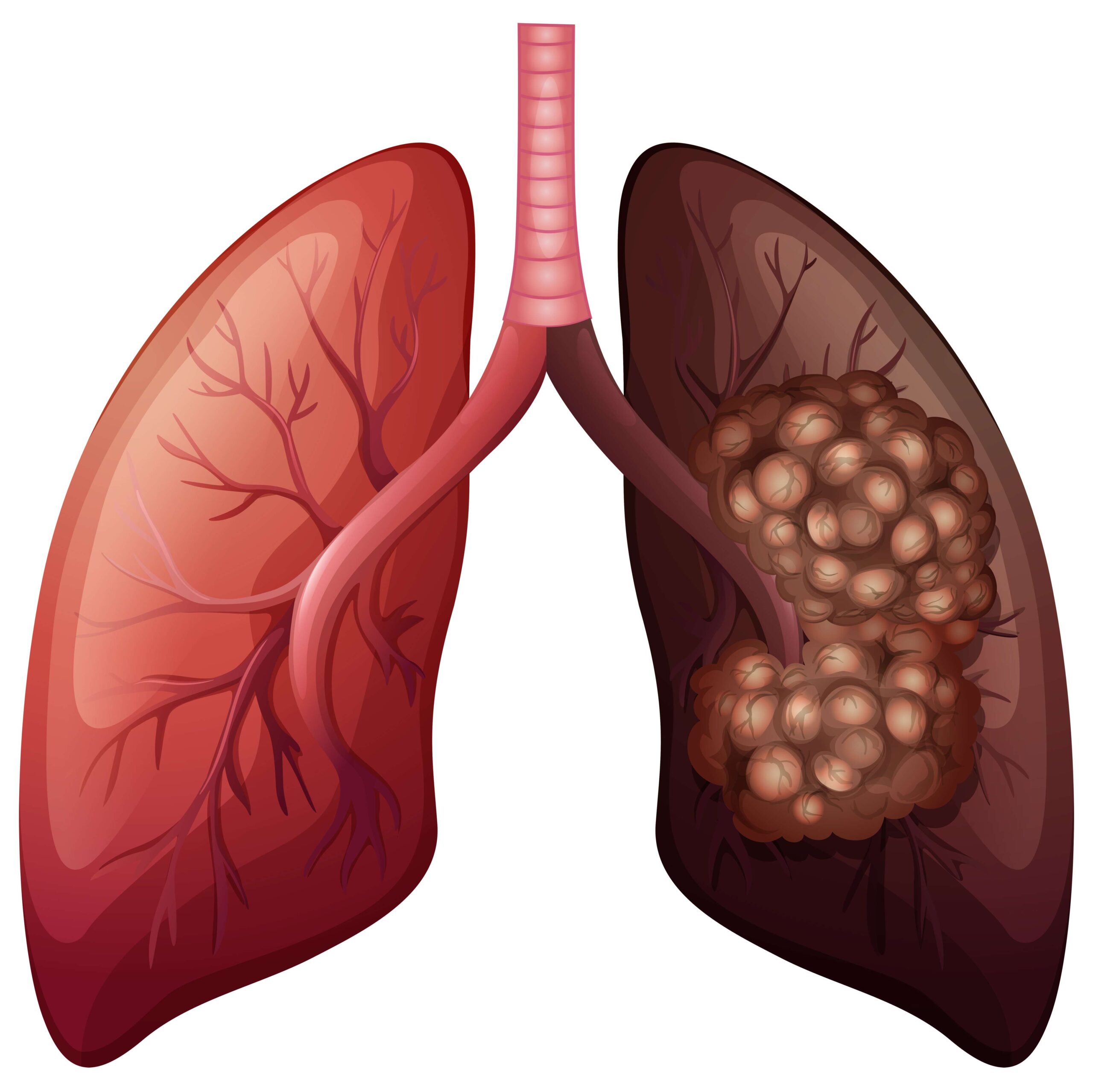
Lung Cancer
Lung cancer is a malignant tumor that develops in the tissues of the lungs, often due to genetic damage caused by smoking or exposure to other harmful substances. It is a leading cause of cancer-related deaths globally.
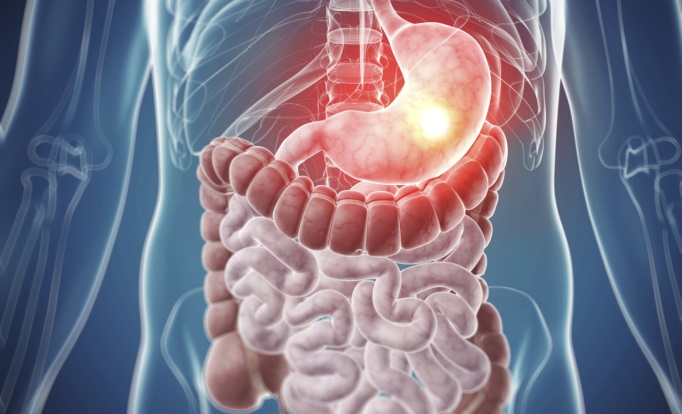
Gastrointestinal cancers
Gastrointestinal (GI) cancers encompass a group of cancers that develop in the digestive system. These cancers can affect various parts of the digestive tract, including the esophagus, stomach, small intestine, colon, rectum, liver, pancreas, and biliary system. The specific type of GI cancer, its location, and stage of development significantly influence the treatment approach and prognosis.
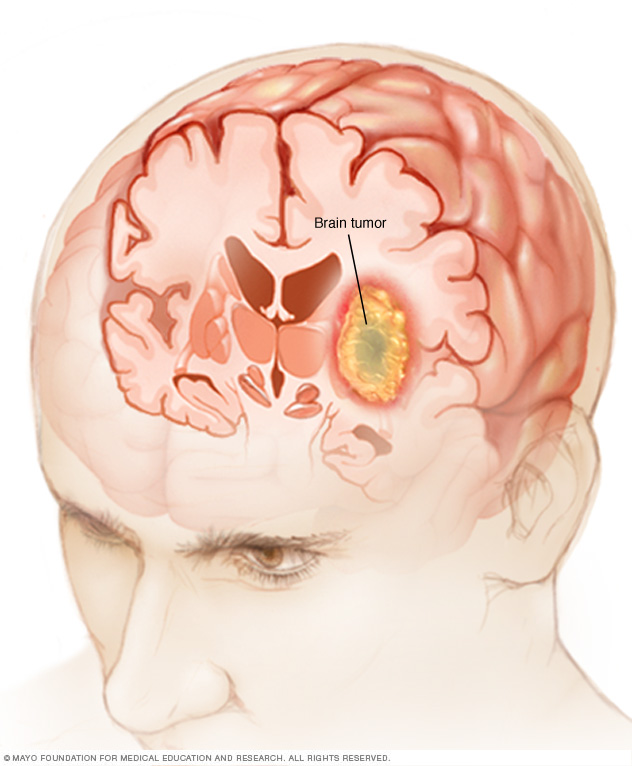
Brain and nervous system cancers
Brain and nervous system cancers are abnormal cell growths within the brain, spinal cord, or nerves that can be cancerous (malignant) or noncancerous (benign) and are categorized by their cell type and location, such as gliomas (derived from glial cells) or medulloblastomas. While some tumors arise from genetic syndromes or radiation exposure, the exact causes for most are unknown.

Radial Forearm free Flap
The radial forearm free flap (RFFF) is a versatile surgical technique used in reconstructive surgery, particularly for head and neck defects. It involves taking a skin and tissue segment from the forearm, along with its blood supply from the radial artery, and transferring it to another area of the body to repair defects.
Orchidectomy
Orchidectomy, also known as orchiectomy, is a surgical procedure to remove one or both testicles. It's performed for various medical reasons, including testicular cancer, prostate cancer, and as part of gender-affirming care for transgender women. The procedure is generally safe and can be done as an outpatient procedure.
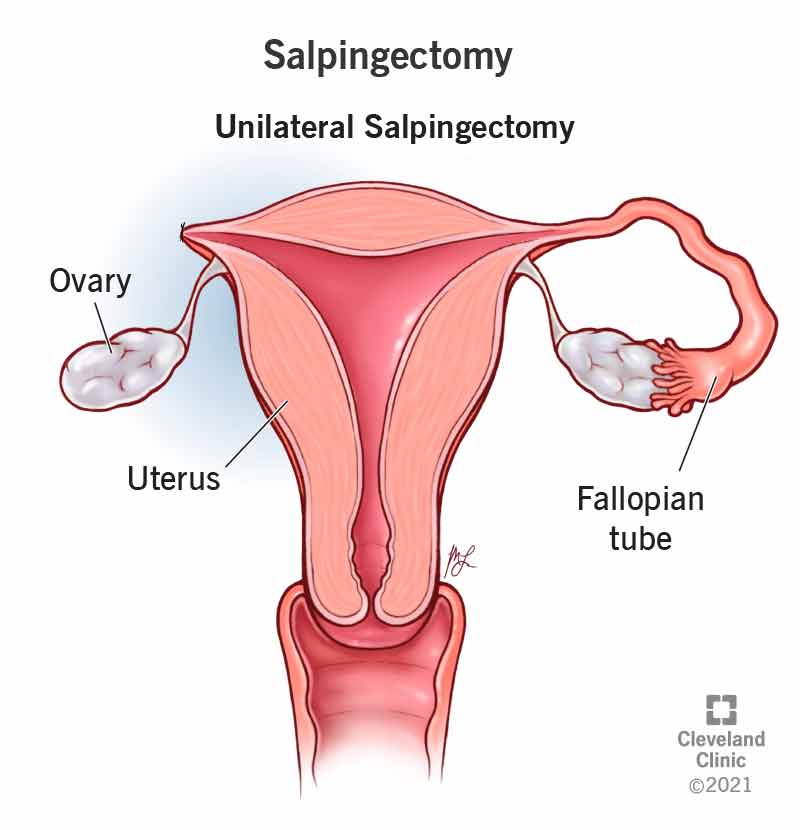
Salpingo-oophorectomy
A salpingo-oophorectomy is a surgical procedure where either one (unilateral) or both (bilateral) ovaries and their fallopian tubes are removed. It's often performed to treat conditions like ovarian cancer, endometriosis, or as a risk-reducing measure for women at high risk of developing ovarian cancer.
Parotidectomy
A parotidectomy is a surgical procedure to remove all or part of the parotid gland, a major salivary gland located in front of the ear. This procedure is typically performed to remove tumors (benign or cancerous) or to address other conditions affecting the parotid gland.
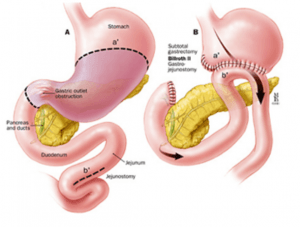
Jejunostomy
A jejunostomy is a surgical procedure to create an opening in the jejunum, the middle part of the small intestine, and bring it to the outside of the body through the abdominal wall. This opening, often called a jejunostomy tube (J-tube), allows for the delivery of nutrition and medications directly into the small intestine when oral intake is not possible or sufficient.